Binaural beats
How binaural beats and sleep sounds (white, pink, and brown noise) work, and what the science actually shows.
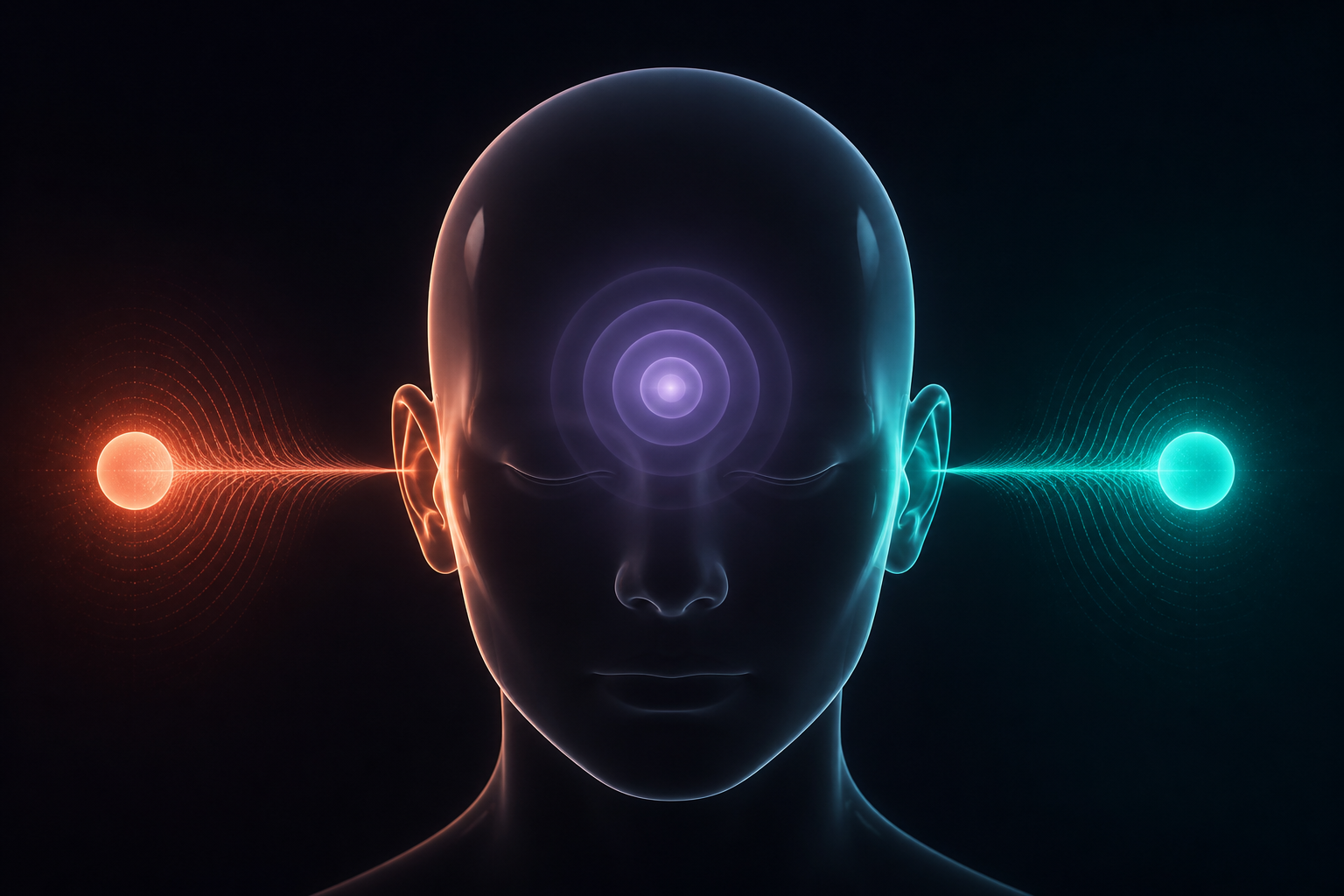
What are binaural beats? How two tones make a beat you can't hearPillar
A binaural beat is a rhythmic pulse your brain perceives when your left and right ears each hear a steady tone at a slightly diffe…
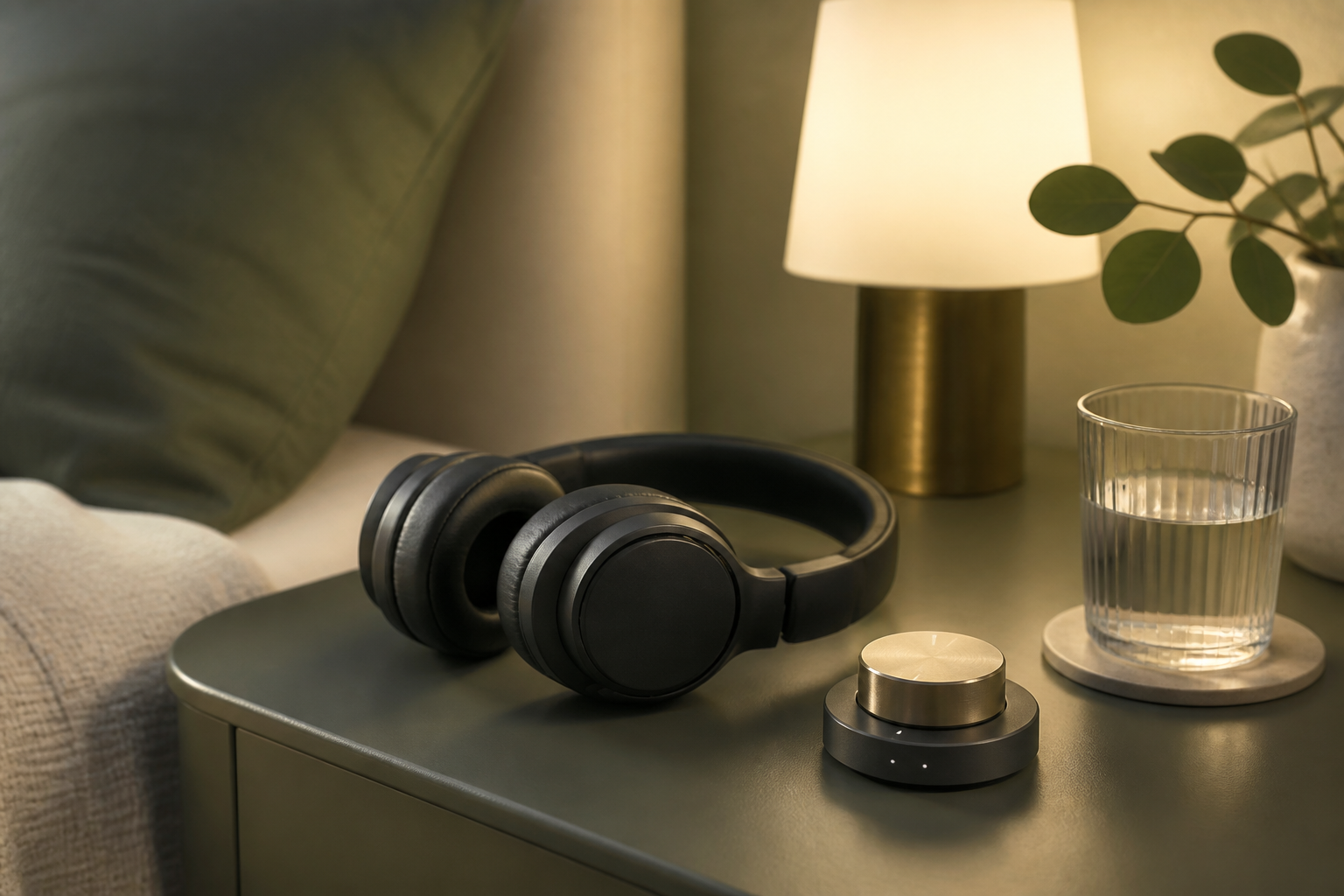
Are binaural beats safe? Volume, headphones, and who should be careful
For most healthy adults, binaural beats are low-risk at a sensible volume — the real hazard is loud headphone listening, not the b…
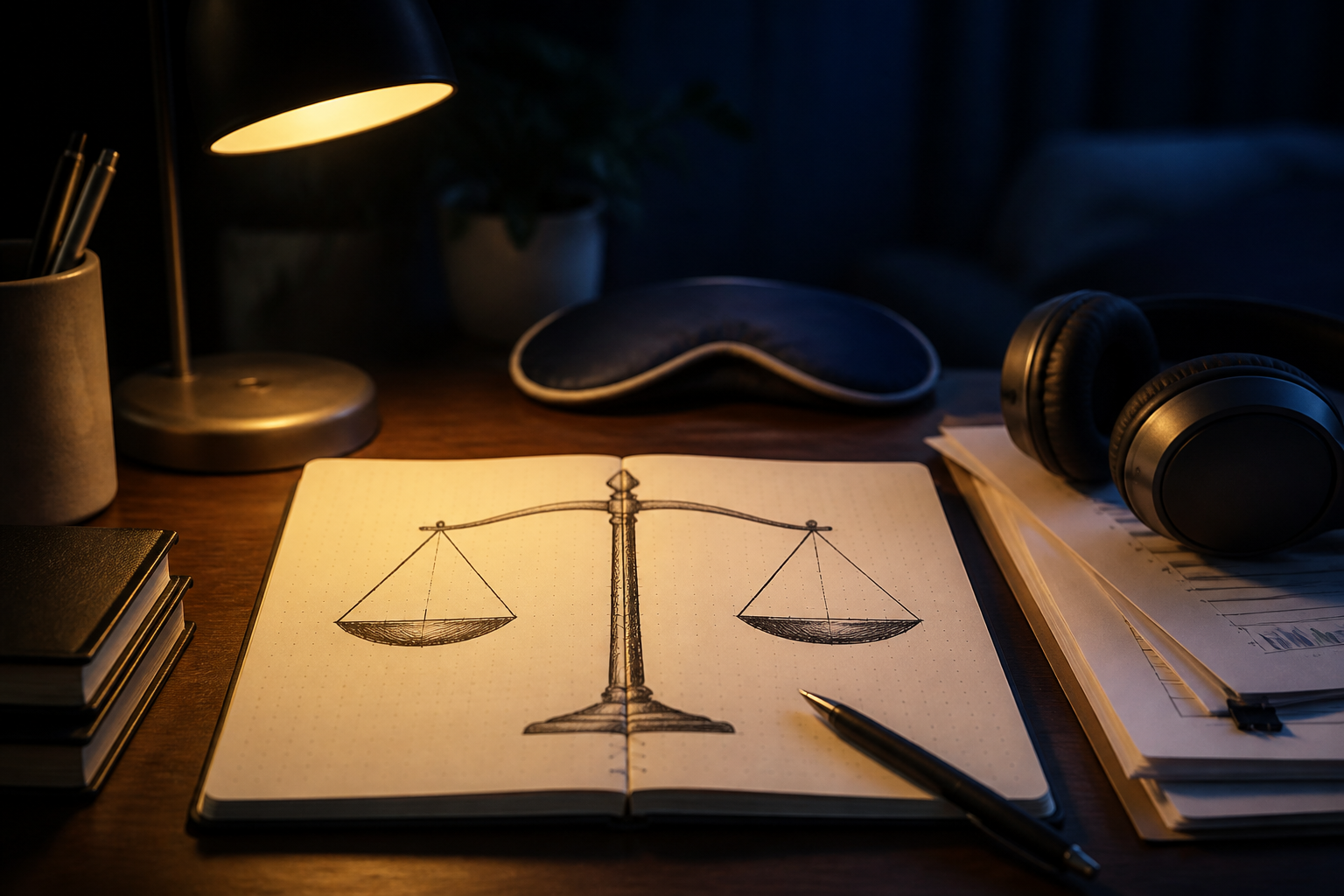
Do binaural beats actually work for sleep and focus?
The evidence on binaural beats is genuinely mixed. Some controlled studies report reduced anxiety, easier relaxation, and modest i…
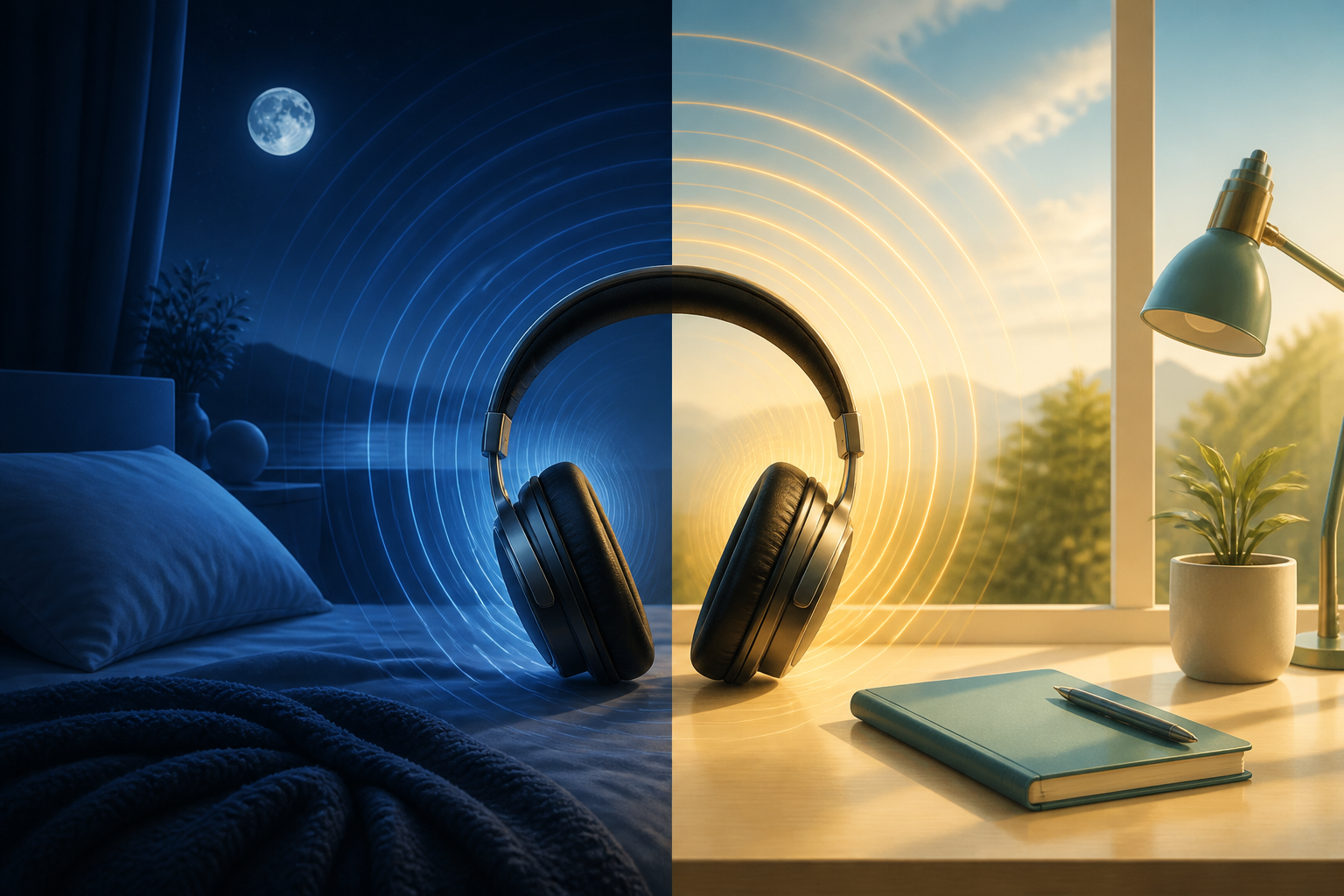
What Hz should you use for sleep vs focus? Delta, theta, alpha and beta explained honestly
For sleep, most tracks use delta (about 0.5–4 Hz) or theta (4–7 Hz) beat rates; for focus, alpha (8–12 Hz) or beta (13–30 Hz). Tho…
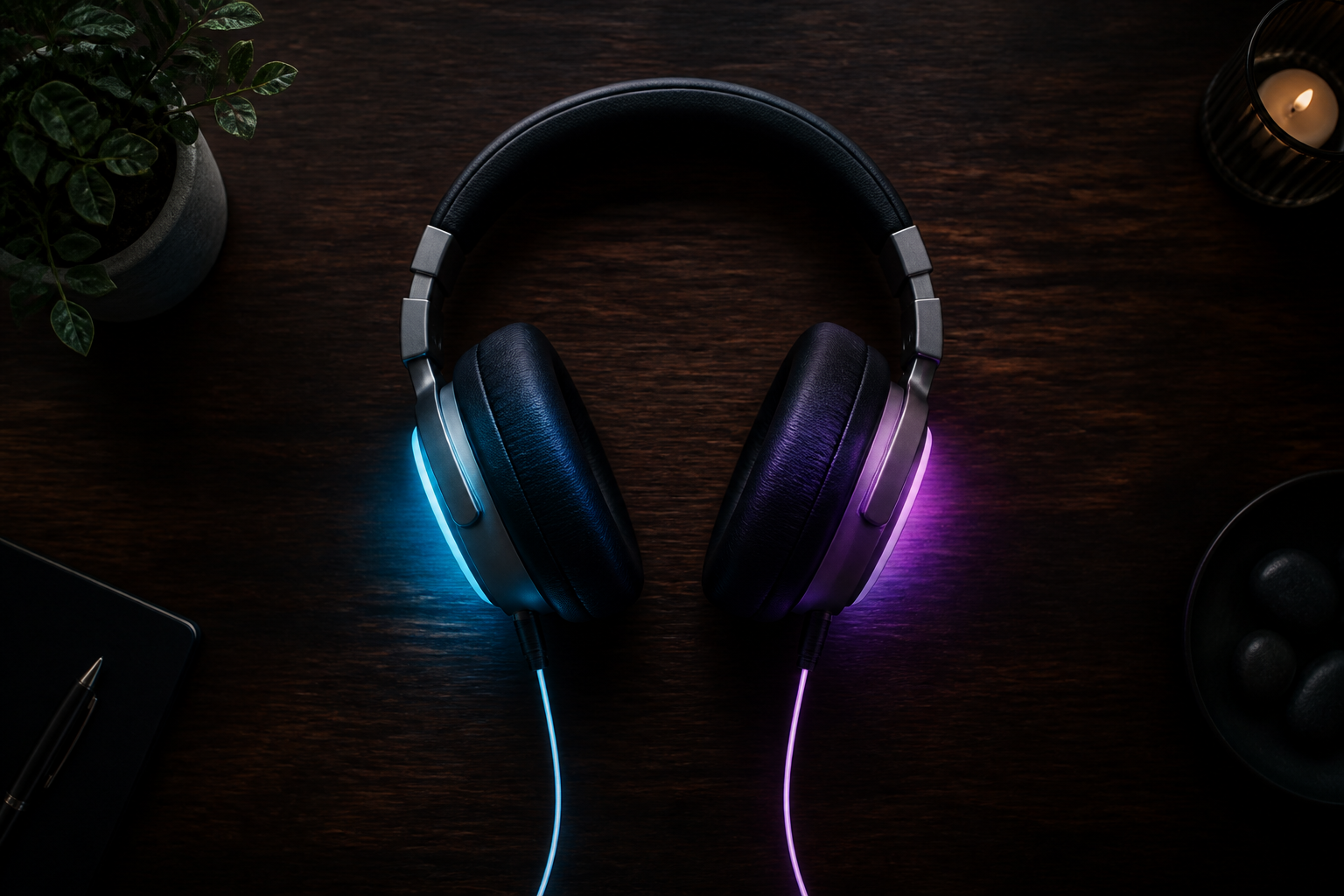
Why do binaural beats need headphones? (you can't get the effect from a speaker)
Binaural beats require headphones because the effect depends on your left and right ear each receiving a different, isolated tone…